
How to Keep Mice and Rodents Out of Your RV
RV Rodent Prevention: What Actually Works
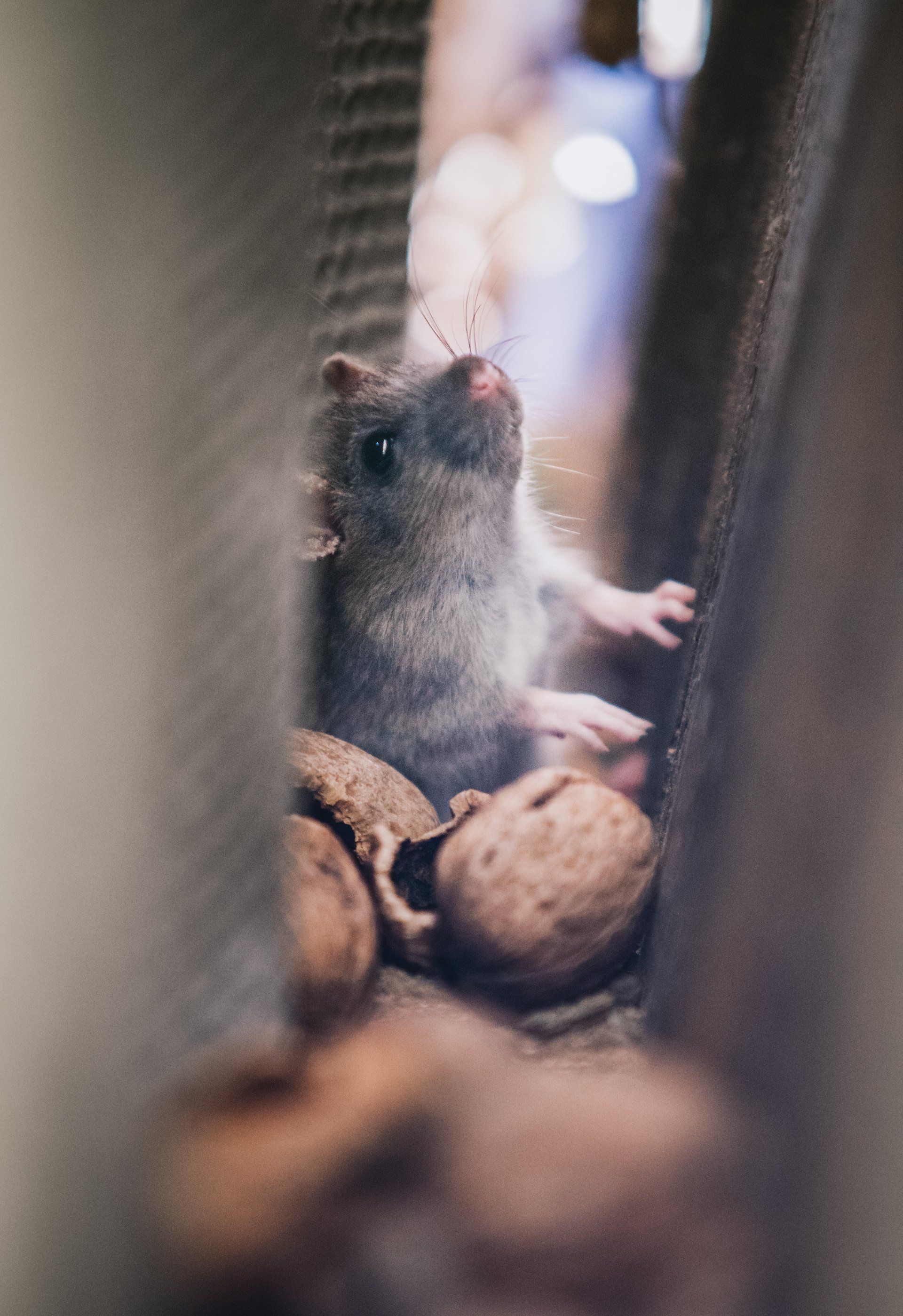
Rodent damage can get expensive fast.
One of our technicians once suited up in protective gear before entering the underbelly of a fifth wheel. Mice had moved in during storage and damaged plumbing, ductwork, insulation, and other hidden components. What began as a few uninvited guests became an extensive RV repair.
That is why rodent prevention matters. Mice and other rodents can chew wiring, water lines, ductwork, insulation, flooring, and stored belongings. Their urine, droppings, and nesting materials can also contaminate areas that are difficult to reach safely. The best time to stop rodent damage is before they get inside.
SIGNS OF RODENT ACTIVITY IN AN RV
• Droppings in cabinets, drawers, storage bays, or near appliances
• Shredded paper, fabric, or insulation used as nesting material
• Chewed food packaging, wiring, hoses, or ductwork
• Unusual odors coming from walls, cabinets, vents, or the underbelly
• Scratching sounds or evidence of activity after the RV has been stored
If you find one sign, keep looking. Rodent activity is often hidden behind cabinets, beneath floors, inside the underbelly, or around appliances.
REMOVE WHAT ATTRACTS THEM
Rodents are looking for food, water, warmth, and shelter. Make your RV a less inviting target before every storage period:
• Remove all food, including dry goods, pet food, treats, spices, and snacks.
• Clean cabinets, drawers, counters, the stovetop, and the area beneath the burners.
• Vacuum floors, storage compartments, upholstery seams, and beneath seat cushions.
• Empty trash and remove paper, fabric, or other easy nesting materials.
• Check for leaks or standing water that could provide a water source.
• Store the RV away from tall grass, brush, trash, birdseed, and other rodent attractants whenever possible.
Scent-based products may be used as an extra deterrent, but peppermint, dryer sheets, soap, and similar remedies should not be treated as a substitute for removing food and sealing entry points.
INSPECT THE PLACES MICE USE TO GET INSIDE
Mice can squeeze through an opening about 1/4 inch wide—roughly the width of a pencil. On an RV, check carefully around:
• Plumbing, electrical, propane, and sewer-line penetrations
• Slide-room openings and seals
• Exterior storage compartments
• Furnace, refrigerator, and water-heater access areas
• Doors, windows, vents, and damaged weather seals
• The underbelly, wheel wells, and openings created by missing or damaged material
Use caution around appliance vents and combustion-air openings. These components must ventilate properly and should never be blocked simply to keep pests out.
SEAL ENTRY POINTS CORRECTLY
Small gaps may require metal mesh or steel wool secured with an appropriate sealant. Larger openings may need hardware cloth, metal flashing, or a properly fitted repair. Expanding foam alone is not rodent-proof; rodents can chew through it.
Before sealing an opening, make sure it is not a required drain, vent, or access point. When the correct repair is not obvious—or the opening leads into the underbelly, a wall, or an appliance compartment—have the RV inspected by a qualified professional.
IF YOU FIND DROPPINGS OR A NEST
Do not immediately sweep or vacuum dry rodent droppings. That can send contaminated particles into the air. The CDC recommends ventilating the area, wearing protective gloves, thoroughly wetting contaminated material with an appropriate disinfectant, and following its current cleanup guidance. Heavy contamination, inaccessible nesting, or activity in HVAC ducting should be handled by qualified cleanup or pest-control professionals.
WHEN YOUR RV NEEDS PROFESSIONAL ATTENTION
Call an RV repair professional if you notice chewed wiring, damaged plumbing, torn ductwork, contaminated insulation, appliance problems, or evidence that rodents reached hidden areas. A pest-control company handles removal of an active infestation; an RV repair facility can evaluate and repair damage to the RV itself.
Colorado's Premier RV Services specializes in the house side of RVs 19 years old and newer at our Berthoud shop. If you suspect rodent damage, call 970-342-6957 so our team can help determine the right next step.
The goal is simple: remove the attraction, close the entry points, and catch small warning signs before they become expensive repairs.